Comprehensive Landlord Property Upkeep Solutions
- Feb 24
- 4 min read
Owning and managing rental properties comes with a unique set of challenges. One of the most important responsibilities is maintaining the property to ensure it remains safe, attractive, and functional for tenants. Proper upkeep not only protects your investment but also helps retain good tenants and avoid costly repairs down the line. In this post, I will share practical advice and insights on comprehensive property maintenance for landlords, focusing on effective strategies and actionable tips.
Why Landlord Property Upkeep Solutions Matter
Maintaining a rental property is more than just fixing things when they break. It involves regular inspections, preventive care, and timely repairs. This proactive approach can save you money and stress in the long run. For example, regularly servicing heating systems before winter can prevent breakdowns during the coldest months. Similarly, checking for damp or leaks early can stop mould growth and structural damage.
Good upkeep also improves tenant satisfaction. When tenants see that their landlord cares about the property, they are more likely to respect the space and stay longer. This reduces vacancy rates and the hassle of finding new tenants frequently.
Here are some key benefits of consistent property maintenance:
Preserves property value
Reduces emergency repair costs
Enhances tenant retention
Ensures compliance with safety regulations
Improves overall property appearance
Essential Elements of Landlord Property Upkeep Solutions
To manage your property effectively, you need a clear maintenance plan. This plan should cover all critical areas of the property and include a schedule for inspections and repairs. Here are the main elements to focus on:
1. Regular Inspections
Conducting routine inspections is vital. Aim to inspect the property at least twice a year, ideally before and after winter. During inspections, check for:
Signs of damp or water damage
Roof and gutter condition
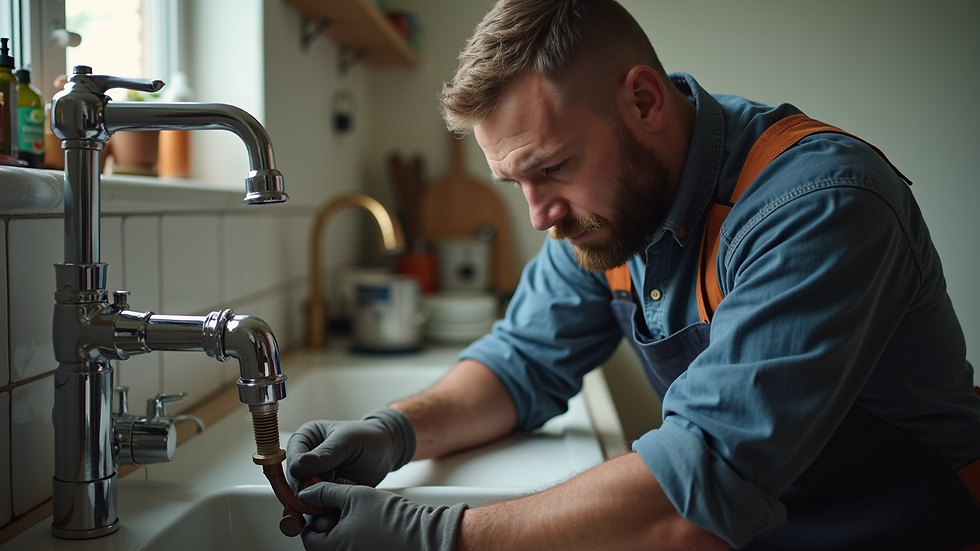
Plumbing leaks or blockages
Electrical system safety
Heating and ventilation efficiency
Exterior paint and structural integrity
Document your findings and address any issues promptly. This prevents minor problems from escalating.
2. Preventive Maintenance
Preventive maintenance involves servicing equipment and systems before they fail. Examples include:
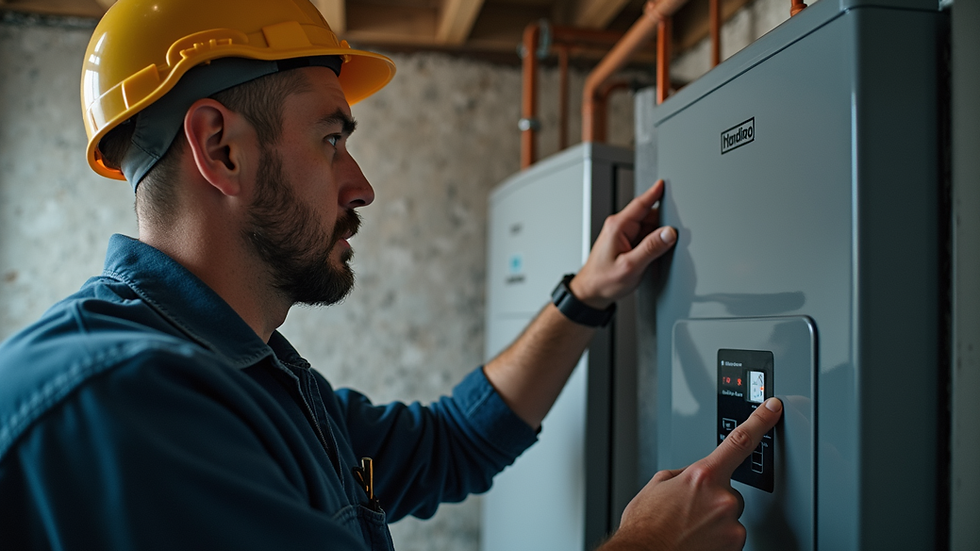
Servicing boilers and heating systems annually
Cleaning gutters and downpipes regularly
Testing smoke alarms and carbon monoxide detectors
Lubricating door hinges and locks
Checking and sealing windows and doors to prevent drafts
This approach reduces unexpected breakdowns and keeps the property in good working order.
3. Timely Repairs
When issues arise, act quickly. Delaying repairs can lead to more extensive damage and higher costs. For example, a small leak left unattended can cause wood rot or mould, which are expensive to fix. Prioritise repairs based on urgency and impact on tenant safety and comfort.
4. Garden and Exterior Care
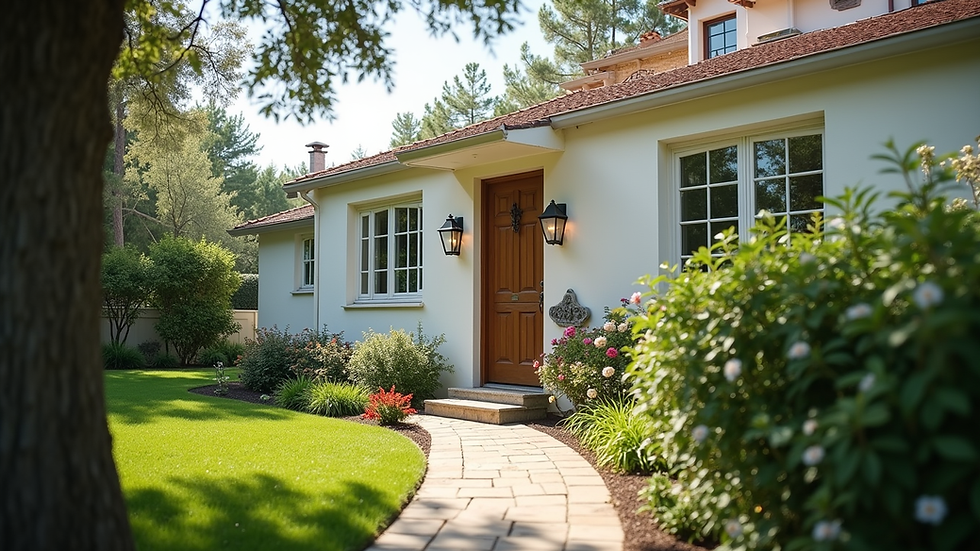
The outside of your property is the first thing tenants and visitors see. Maintaining gardens, pathways, fences, and exterior walls enhances curb appeal and prevents deterioration. Regular lawn mowing, hedge trimming, and clearing debris are simple yet effective tasks.
5. Tenant Communication
Keep open lines of communication with your tenants. Encourage them to report maintenance issues early. Respond promptly and professionally to their requests. This builds trust and helps you stay ahead of potential problems.
How to Choose Reliable Landlord Property Maintenance Services
Managing all these tasks alone can be overwhelming. That’s why many landlords turn to professional landlord property maintenance services to handle routine upkeep and repairs. When selecting a service provider, consider the following:
Experience and reputation: Look for companies with proven expertise in landlord property upkeep solutions. Check reviews and ask for references.
Range of services: Choose a provider that offers comprehensive services, including plumbing, electrical, carpentry, and general handyman work.
Response time: Emergencies can happen anytime. Ensure the company can respond quickly to urgent repair needs.
Transparent pricing: Clear, upfront pricing helps avoid surprises. Ask for detailed quotes before work begins.
Insurance and compliance: Verify that the company is fully insured and complies with all relevant safety standards and regulations.
Partnering with a trusted maintenance service can save you time and give you peace of mind knowing your property is in good hands.

Practical Tips for Effective Property Maintenance
To keep your property in top shape, here are some practical tips you can implement right away:
Create a maintenance calendar: Schedule inspections, servicing, and seasonal tasks in advance. Use reminders to stay on track.
Keep detailed records: Document all maintenance activities, repairs, and communications with tenants. This helps with budgeting and legal compliance.
Budget for maintenance: Set aside a portion of rental income for ongoing upkeep. Unexpected repairs can be costly, so having a reserve fund is wise.
Educate tenants: Provide tenants with guidelines on how to care for the property and report issues. This reduces wear and tear and improves cooperation.
Use quality materials: When making repairs or upgrades, invest in durable materials. This reduces the frequency of replacements and enhances property value.
Stay informed about regulations: Keep up to date with landlord responsibilities and safety standards in your area to avoid penalties.
Building a Long-Term Maintenance Strategy
A successful landlord property upkeep solution is not just about reacting to problems but planning for the future. Consider these steps to develop a long-term strategy:
Assess property condition: Conduct a thorough evaluation of your property’s current state. Identify areas that need immediate attention and those that require monitoring.
Set maintenance priorities: Focus on safety and compliance first, then on aesthetic improvements and energy efficiency.
Plan upgrades: Over time, plan for renovations that improve the property’s appeal and reduce running costs, such as installing double glazing or energy-efficient boilers.
Review and adjust: Regularly review your maintenance plan and budget. Adjust based on tenant feedback, property performance, and changing regulations.
Build relationships with contractors: Establish reliable contacts with tradespeople and maintenance companies. This ensures quick access to quality services when needed.
By taking a strategic approach, you protect your investment and create a positive rental experience.
Final Thoughts on Maintaining Your Rental Property
Maintaining a rental property is an ongoing commitment that pays off in many ways. With a clear plan, regular inspections, and timely repairs, you can keep your property safe, attractive, and profitable. Remember, investing in quality upkeep today prevents costly problems tomorrow.
If managing maintenance tasks feels overwhelming, consider partnering with professional landlord property maintenance services. They bring expertise, efficiency, and peace of mind, allowing you to focus on growing your property portfolio.
Taking care of your property is not just about fixing things - it’s about creating a home where tenants feel valued and comfortable. That’s the key to long-term success in property management.

Comments