Fix Leaning Fence Posts: A Guide to Straightening Your Fence
- Mar 23
- 4 min read
A leaning fence post is more than just an eyesore. It can compromise the stability of your entire fence, making it less secure and potentially unsafe. If you’ve noticed one or more posts tilting awkwardly, it’s important to act quickly. Fixing a leaning fence post is a manageable task with the right approach and tools. In this guide, I’ll walk you through practical steps to restore your fence’s strength and appearance.
Why You Should Fix Leaning Fence Posts Quickly
When a fence post starts to lean, it usually means the ground around it has shifted or the post itself has weakened. Ignoring this problem can lead to:
Further leaning or collapse of the fence
Damage to fence panels or rails
Reduced security and privacy
Increased repair costs down the line
Addressing leaning posts early saves time and money. Plus, it keeps your property looking neat and well-maintained. Whether your fence is wooden, metal, or composite, the principles of repair are similar.
How to Fix Leaning Fence Posts: Tools and Materials You’ll Need
Before you start, gather the right tools and materials. Having everything ready will make the job smoother and faster.
Tools:
Shovel or post hole digger
Spirit level
Hammer or mallet
Drill with screwdriver bits
Crowbar or digging bar
Wheelbarrow (optional)
Materials:
Concrete mix or gravel
Replacement fence post (if needed)
Timber braces or stakes
Galvanised nails or screws
Water for mixing concrete
Having these on hand means you can tackle the repair without interruptions.

How to Fix Leaning Fence Posts Step-by-Step
Here’s a straightforward method to fix a leaning fence post:
Assess the Damage
Check if the post is rotten or broken. If it’s damaged beyond repair, you’ll need to replace it. Otherwise, you can straighten and secure it.
Remove Fence Panels (if necessary)
To access the post easily, remove any attached panels or rails. This prevents damage during the repair.
Dig Around the Post
Use a shovel or post hole digger to clear soil from around the base. Dig down about 12 inches to loosen the post.
Straighten the Post
Push or pull the post back into a vertical position. Use a spirit level to check it’s perfectly upright.
Brace the Post
Temporarily secure the post with timber braces or stakes to hold it steady.
Reinforce the Base
Pour concrete or gravel around the post base to stabilise it. Concrete offers a stronger hold but takes longer to set.
Allow to Set
If using concrete, let it cure for at least 24 hours before removing braces or reattaching panels.
Reattach Fence Panels
Once the post is secure, fix the panels back in place.
This process restores the post’s stability and extends the life of your fence.
How to Fix a Leaning Fence in the UK?
In the UK, weather conditions like heavy rain and frost can cause fence posts to lean more frequently. Here are some UK-specific tips:
Use Treated Timber: UK’s damp climate can rot untreated wood quickly. Always use pressure-treated posts for durability.
Check Local Regulations: Some areas have rules about fence height and materials. Make sure your repair complies.
Consider Frost Depth: When digging post holes, go below the frost line (usually around 600mm) to prevent frost heave.
Use Quick-Setting Concrete: This helps speed up repairs during wet or cold weather.
Maintain Drainage: Ensure water doesn’t pool around posts by improving soil drainage or adding gravel.
These steps help your fence withstand the UK’s changing seasons and keep leaning posts at bay.
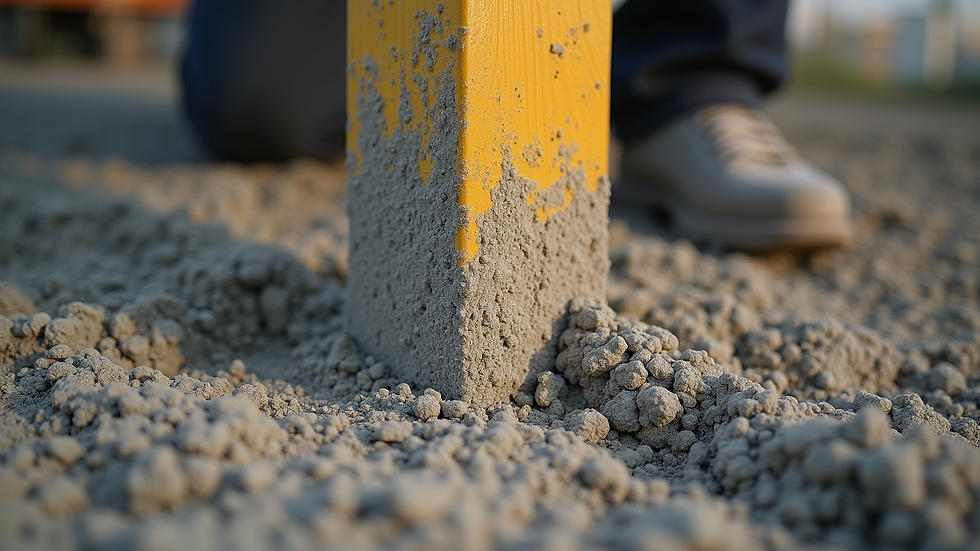
Preventing Fence Posts from Leaning Again
Once you’ve fixed your leaning fence post, prevention is key to avoid future problems. Here are some tips:
Regular Inspections: Check your fence posts at least twice a year for signs of movement or rot.
Keep Soil Dry: Avoid planting water-loving plants near posts and improve drainage.
Use Gravel at Base: Adding gravel before setting posts in concrete helps water drain away.
Apply Wood Preservative: Treat wooden posts annually to protect against rot and insects.
Avoid Heavy Loads: Don’t hang heavy items on fence panels that can pull posts out of alignment.
By following these steps, you’ll keep your fence strong and upright for years.
When to Replace a Fence Post Instead of Repairing
Sometimes, a leaning post is beyond repair. Here’s when replacement is the better option:
The post is rotten or cracked through.
It has been damaged by insects or weather extensively.
The post is bent or warped.
Previous repairs have failed repeatedly.
Replacing a post involves digging out the old one completely and installing a new one with fresh concrete. This ensures long-term stability.
If you’re unsure whether to repair or replace, it’s better to err on the side of replacement for safety and durability.
Final Thoughts on Fixing Leaning Fence Posts
Fixing a leaning fence post is a straightforward task that can save you from bigger problems later. With the right tools, materials, and approach, you can restore your fence’s strength and appearance quickly. Remember to check your fence regularly and take preventive measures to keep posts upright.
If you want to learn more about how to fix a leaning fence post, this guide is a great place to start. Taking care of your fence not only protects your property but also adds to its overall value and curb appeal.
By following these tips, you’ll enjoy a sturdy, reliable fence that stands the test of time.



Comments